How to Preserve Patina Aesthetic on a Classic Car
Share this article:
A classic car rarely tells its full story through glossy paint alone. Small imperfections, faded panels, and worn edges often hint at years of use and care. Many owners chase a flawless finish, but others want to hold onto that history. That choice creates a real pull between restoration and restraint. Protecting that character without wiping it away starts with understanding what patina represents and why it still matters.
What Is a Patina Car
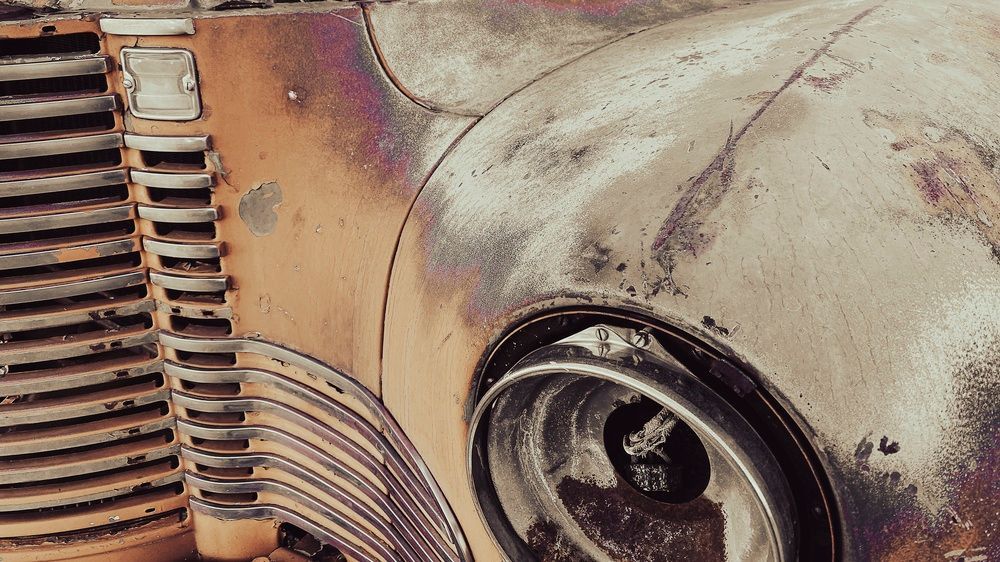
A patina car carries visible signs of age that build naturally with time. Faded paint, light surface rust, and subtle discoloration show years of exposure and use, forming a finish that is hard to duplicate. For many owners of antique, vintage, or classic cars, these details signal authenticity more than simple wear.
Instead of hiding imperfections, patina keeps them as part of the vehicle’s identity. The goal shifts from perfecting every panel to preserving what is already there, with attention on maintaining character while slowing any damage that might threaten the structure or shorten the car’s life.
Climate and storage play a big part in this. Moisture, sunlight, and temperature swings can quietly speed up aging in ways that do not always show right away, which makes thoughtful care even more important.
Why Do Owners Preserve a Patina Car
For many collectors, keeping a patina car intact is a way to honor originality instead of rewriting the past. Every mark and faded panel reflects time, use, and the car’s unique story. Stripping that character can feel like erasing its history, especially for people who value honesty in appearance over a perfectly smooth finish.
There is also a growing respect for restraint in restoration. Leaving the finish intact often fits the
Wrecktify philosophy, where careful work respects what already exists instead of replacing it at the first opportunity. This mindset balances care with intention. The focus stays on stabilizing the car and preserving its look for the long term, while still respecting originality and historical value, even as ideas about restoration keep evolving.
Can You Preserve Patina Without Damage
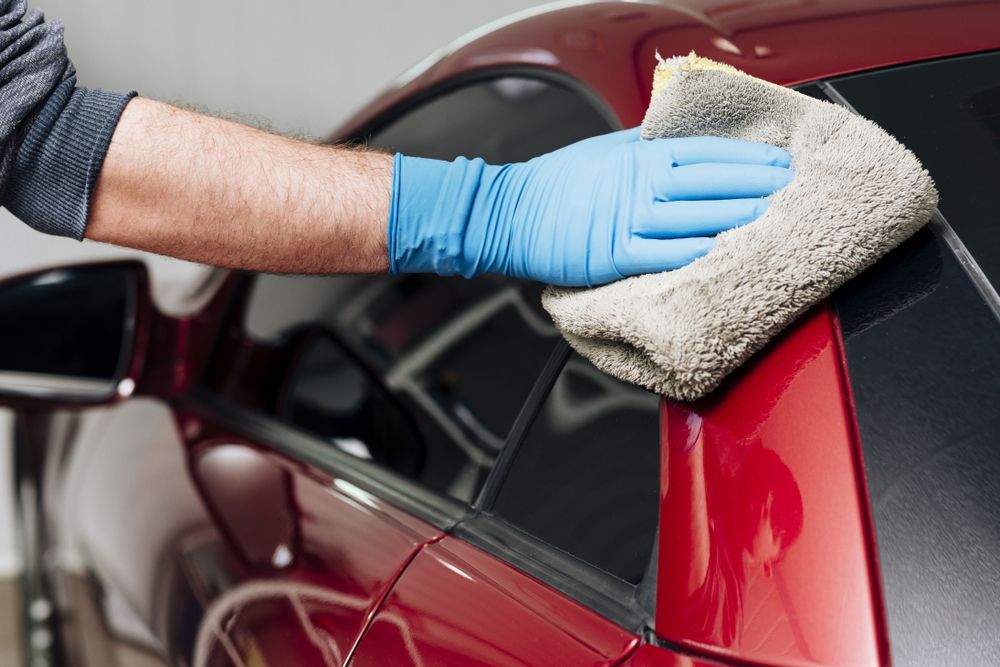
Keeping patina intact without harming it depends on careful choices. The aim is not to freeze aging, but to slow the forces that speed up decay. Moisture control, gentle cleaning, and smart storage conditions all play a part in keeping the surface close to how it looks now. Strong chemicals or rough polishing can strip away the thin layers that give a patina finish its character.
A thoughtful approach to
classic car care matters here. Small decisions such as picking the right protective products and limiting harsh exposure can help strike the right balance between preservation and protection. Done well, the car stays sound while its character remains visible for many years.
How to Patina a Car the Right Way
Learning how to patina a car the right way starts with the idea that a lighter touch often leads to better results. Forcing heavy wear or rushing oxidation can look fake and may weaken the surface. Many owners instead lean on slower, controlled methods that build a more natural look and fit within a thoughtful classic car restoration plan.
Common approaches include:
Light sanding that gradually exposes underlying layers
Controlled oxidation using mild, surface-safe treatments
Planned sun exposure that fades paint more evenly over time
Sealing select areas once the look feels right to pause further aging there
Sometimes, light restoration and patina preservation work side by side as part of a broader classic car plan. That can involve stabilizing rust, sealing exposed metal, and fixing structural concerns without disturbing the finish more than necessary. Patience pays off here, because each step should support the car’s long-term condition while keeping its appearance cohesive and authentic.
What Ruins Patina on a Classic Car
Patina can disappear faster than many owners expect, often because of overly aggressive care carried out with good intentions. Heavy polishing is one of the biggest problems, since it removes the thin layers that create the aged look. Harsh cleaners can also strip oxidation in an uneven way, leaving blotchy or unnatural patches.
The environment can cause trouble as well. Long periods of moisture without proper protection can push surface rust into deeper corrosion, and poor storage may speed up fading and breakdown. Even small body repairs can disrupt the flow of the finish if they are not planned with the overall look in mind. Protecting patina means knowing when to act and when to stop, and it sometimes calls for guidance from someone with experience so you can avoid changes you cannot undo.
How to Protect a Patina Car Finish
Protecting a patina finish comes down to keeping its current look as much as possible while slowing further wear. The aim is to reduce deterioration while holding onto the visual story already on the surface. That usually calls for a careful mix of cleaning, sealing, and control over storage conditions.
Practical ways to protect the finish include:
- Using gentle, non-abrasive cleaners so aged layers stay in place
- Applying protective coatings designed for patina surfaces
- Keeping the car in a dry, stable environment with limited humidity swings
- Checking regularly for trapped moisture or early signs of advancing corrosion
Taken together, these habits help the finish stay consistent and lessen the chance of deeper damage. Over time, steady care keeps the patina intact and preserves the authenticity that makes the vehicle stand out.
Should You Restore or Keep a Patina Car
Choosing between preservation and more involved repair depends on the car’s condition and what you want for it in the long run. Some surfaces can remain as they are for years, while others clearly need attention to prevent ongoing damage.
Key points to keep in mind:
- Keep patina when surface wear looks stable and is not clearly spreading
- Hold onto the original paint when it still shields the metal underneath
- Consider auto restoration once rust starts to threaten structural strength
- Ask for a professional review if the line between preserving and repairing feels unclear
- Retain as many original panels as you can to support historical consistency
- Fix mechanical and safety components even if the exterior stays patinaed
- Think about storage conditions and overall exposure over the coming years
- Address bubbling, flaking, or soft metal before those spots spread
A careful decision here blends respect for history with concern for longevity, so the vehicle stays both true to itself and reliable on the road.
Protect Your Patina With Expert Repair
At a certain point, preserving a patina finish benefits from experienced hands. Subtle bodywork, rust control, and protective treatments need to be done with care so they do not disturb the character that makes the car special. A shop that understands both preservation and repair can guide those choices.
At Wrecktify Collision, each classic project is treated with close attention and real respect for the vehicle’s past. The team reviews surface conditions, talks through options, and suggests a path that favors long-term results. When new questions come up or the car’s condition starts to shift, it may be the right time to
reach out and continue the conversation.
Connect with us: