Why Modern Vehicles Need ADAS Calibration After Repairs
Share this article:
Modern vehicles rely on cameras, radar, and sensors for features such as automatic braking, lane warnings, and adaptive cruise control. After a collision or certain repairs, even a small change in a sensor’s position can affect how those systems interpret the road.
That is where ADAS calibration comes into the repair process. It checks and corrects the positioning of affected components according to the vehicle manufacturer’s procedures, helping drivers leave the repair shop with safety systems set to operate as intended.
What Is ADAS Calibration?
Advanced driver-assistance systems use cameras, radar, and sensors to monitor the vehicle’s surroundings and help features respond to changing road conditions. Calibration checks that these components are positioned and aimed according to manufacturer specifications.
So, what is ADAS calibration in practical terms? It is a manufacturer-specified procedure used after certain repairs or component changes to confirm affected systems are reading their surroundings from the correct reference points. Depending on the vehicle, technicians may use targets, specialized diagnostic tools, or prescribed driving procedures. The exact process varies by model and system, which is why the appropriate calibration procedure is determined from manufacturer repair information.
Which Repairs Can Make Recalibration Necessary?
Calibration may be needed when repairs change the position, angle, or reference point of a camera, radar unit, or sensor. During
collision repair, work may involve these devices or the components that hold them in position, even when no damage is visible. Manufacturer procedures identify when recalibration is necessary for the repaired components and vehicle systems.
Windshield, Camera, and Sensor Work
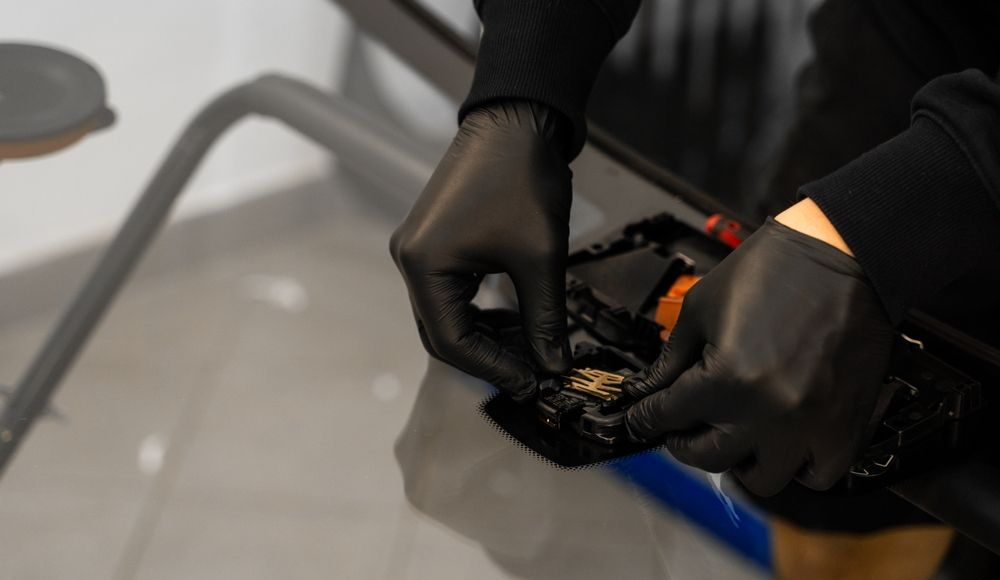
Many newer vehicles have a forward-facing camera mounted near the windshield that reads lane markings, signs, and traffic ahead. Windshield replacement can change the camera’s position or viewing angle, which may trigger a manufacturer-specified calibration procedure. Similar concerns apply when cameras, radar units, sensors, mounting brackets, or nearby body components are removed or replaced. Even a small shift in mounting position can change where a sensor is aimed, so technicians must check the procedures specified for that vehicle.
Collision, Suspension, and Alignment Repairs
A collision can affect more than exterior panels. Structural repairs, wheel alignment, ride-height changes, or work involving
suspension and alignment can alter the reference points some driver-assistance systems rely on. For example, a forward-facing radar unit may be positioned correctly on its bracket but still point at the wrong area if vehicle geometry is off. Completing necessary structural and mechanical corrections first establishes the proper foundation for any calibration procedures specified by the manufacturer.
How Misalignment Affects Driver-Assist Systems
Cameras and sensors are designed to monitor specific areas around a vehicle. If their position or angle changes, the information they collect may no longer match the vehicle’s intended reference points. That discrepancy can affect how certain safety features identify vehicles, lane markings, obstacles, or distances, even when no dashboard warning appears.
Automatic Emergency Braking and Cruise Control
Automatic emergency braking and adaptive cruise control may rely on forward-facing radar, cameras, or both to judge the location and distance of vehicles ahead. If a sensor is aimed incorrectly, the system may interpret those surroundings from an inaccurate reference point. That can affect when the vehicle detects a potential hazard, adjusts speed, or responds to traffic ahead. Proper calibration restores affected components to the positions and specifications established by the vehicle manufacturer.
Lane-Keeping, Blind Spot, and Rear Alerts
Lane-keeping features may use cameras to track pavement markings, while blind spot and rear alert systems can rely on sensors that monitor areas beside or behind the vehicle. A change in camera angle or sensor position can affect how accurately these systems interpret those areas. Drivers might notice warnings at unexpected times, delayed alerts, or other unusual behavior. Following the manufacturer’s calibration procedures helps return affected components to their specified positions after repairs.
What Determines the Required Calibration Method?
The correct calibration method comes from the vehicle manufacturer’s procedures and the systems affected by the repair. Some procedures use stationary targets positioned at precise distances and angles, while others involve driving the vehicle under specified road conditions. Certain vehicles call for both methods.
Factors technicians must consider include:
- Vehicle specifications: Model, year, trim, and installed safety features.
- Components affected: The camera, radar unit, sensor, or related mounting location involved in the repair.
- Repair procedures: Manufacturer instructions for setup, testing, calibration, and verification.
These requirements can differ considerably from one vehicle to another.
Where ADAS Calibration Fits Into the Repair Process
Calibration belongs near the end of a properly sequenced repair. Before ADAS calibration takes place, structural, mechanical, and alignment work affecting sensor reference points should be completed. From there, the process follows three basic stages: correct the underlying damage, restore vehicle geometry and components, then calibrate and verify affected systems.
Structural and Alignment Work Come First
Calibration depends on the vehicle being restored to the correct physical condition first. Structural dimensions, suspension geometry, wheel alignment, ride height, and sensor mounting locations can influence the reference points used by driver-assistance systems. If applicable repairs are still incomplete, calibrating too early could leave those reference points incorrect once the remaining work is finished. Completing structural and alignment corrections first establishes the vehicle geometry needed for the manufacturer’s specified calibration procedure.
Final Calibration Follows Completed Repairs
Once repairs and related adjustments are complete, technicians can perform the calibration procedure specified for the affected systems. This may involve targets, diagnostic equipment, prescribed driving conditions, or a combination of methods. Final checks can also include system scans and documentation showing that applicable procedures were completed. This sequence gives technicians a clear three-step path: finish the repair, calibrate affected technology, and verify the vehicle before it returns to the road.
Protect Your Vehicle’s Safety After a Collision
Modern collision repair involves restoring the systems behind the vehicle as carefully as its visible surfaces.
The Wrecktify Way centers on quality workmanship, proper repair procedures, and clear communication throughout that process.
Wrecktify Collision and Restoration considers structural, mechanical, cosmetic, and applicable safety-system needs when completing repairs. If a collision has left questions about what needs attention before the vehicle returns to the road,
contact us to discuss the damage and next steps.
Connect with us: