How Often Should You Detail Your Car? Seasonal Guide
Share this article:
Most detailing advice comes from detail shops that sell detailing packages, so the recommended schedule can lean toward service intervals instead of long-term paint condition. From a body shop perspective, how often you should detail your car comes down to what the paint, clear coat, trim, and underbody face throughout the year. For most drivers, a full detail every three to six months is a practical schedule, while Wisconsin winters call for more frequent exterior care to keep road salt and brine from sitting on vulnerable surfaces.
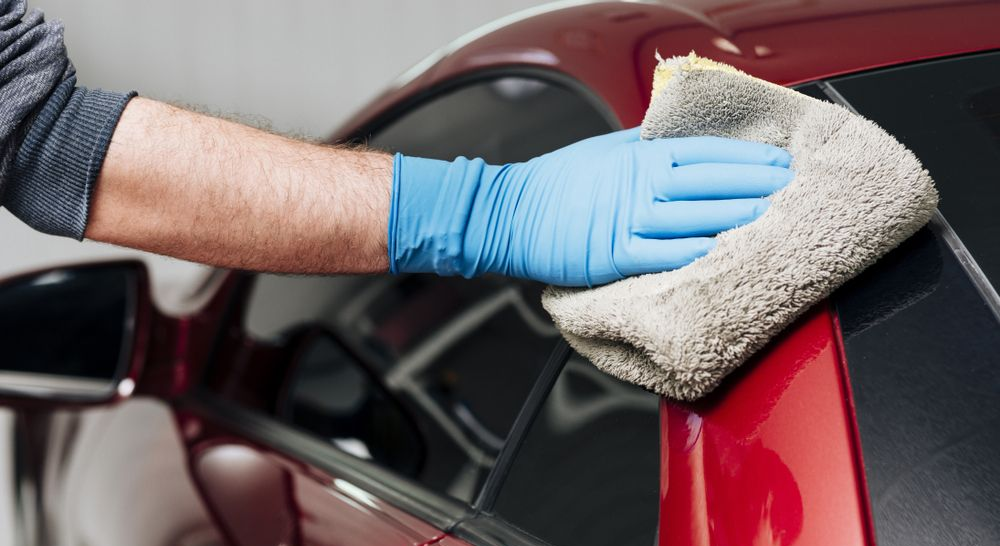
How Often a Body Shop Recommends Detailing Your Car
For most drivers, detailing every three to six months is a practical schedule, with shorter intervals during a Wisconsin winter. Wrecktify brings a body shop perspective backed by 60+ years of combined experience working with well-maintained paint and finishes showing years of neglect. The restoration bay also reveals what can happen when contamination and corrosion go unchecked. Consistent care is especially valuable for older finishes, where
preserving a classic car’s patina depends on protecting aged paint without erasing its character.
Seasonal Detailing Needs Throughout the Year
Wisconsin’s four seasons expose paint and undercarriage components to different contaminants and conditions. Detailing frequency and priorities should shift throughout the year to address those changing risks.
Fall: Prep Your Car Before Winter Hits
Fall is the most valuable time for preventive detailing in Wisconsin. Leaves and acorns can stain paint, while morning dew and temperature swings encourage contaminants to bond to the surface. Start winter with full paint decontamination, a sealant or ceramic coating touch-up, and an undercarriage inspection for existing rust. Think of this service as preventive maintenance. Catching vulnerable areas before road salt arrives can cost far less than repairing corrosion after it spreads.
Winter: Keep Up With Salt and Grime
Road salt, brine, and de-icers can attack paint, aluminum trim, and steel underneath the vehicle. They also collect in seams, rocker panels, and wheel wells that a basic drive-through wash may miss. During a typical Wisconsin winter, plan on a thorough exterior detail every four to six weeks and an undercarriage wash every two to three weeks. Visible grime is only part of the concern. Removing salt regularly reduces opportunities for corrosion to develop beneath damaged paint.
Spring: The Post-Winter Recovery Detail
A clean-looking car can still carry winter residue in wheel wells, seams, and underneath the body. Remaining salt continues exposing aluminum and steel to corrosion, while spring adds pollen and tree sap to the paint. Schedule one thorough spring detail focused on removing what winter left behind. A clay bar treatment can lift bonded surface contamination, while a complete undercarriage flush clears trapped residue. Finish with fresh paint sealant before pollen, rain, and sap become regular concerns.
Summer: Protect Paint From UV and Bugs
Summer shifts the priority toward clear-coat protection. UV exposure contributes to oxidation and fading, while bird droppings, bug residue, and hardened tree sap can stain or etch a finish, particularly when heated by direct sunlight. With a ceramic coating or quality sealant in good condition, a full detail every eight to ten weeks is generally sufficient. Between appointments, check the paint weekly and remove droppings, bugs, and sap promptly rather than letting contaminants bake onto the surface.
Factors That Affect How Often Your Car Needs a Detail
How often should you get your car detailed? There is no single schedule for every vehicle. Climate, parking, driving habits, and existing paint protection can shorten or extend the interval.
Your Local Climate
Climate determines how aggressively contaminants reach exterior surfaces. Wisconsin vehicles contend with road salt and brine in winter, followed by pollen, sap, rain, and strong sun during warmer months. Frequent exposure calls for shorter intervals, while vehicles driven in milder conditions can often go longer between full details.
Where You Park Your Car
Garage-kept vehicles typically need less frequent detailing because they spend less time exposed to UV rays, tree sap, bird droppings, morning dew, and airborne contaminants. Outdoor parking accelerates buildup and may call for more frequent attention. Covered parking falls somewhere between the two.
How Much and Where You Drive
Daily mileage is only part of the equation. Frequent highway travel exposes paint to bugs and road debris, while gravel roads add dust and loose material. Regular winter commuting increases contact with salt and brine. More exposure generally means shortening the time between details.
Paint Protection Already in Place
Ceramic coatings and paint protection film can extend the interval between intensive details. A protected vehicle may need full maintenance around every six months instead of every three. Unprotected paint or aging wax needs closer attention. Wrecktify also encounters less paint damage on properly protected finishes during other repair work.
The Long-Term Benefits of Regular Detailing
Regular detailing protects more than appearance. It can preserve resale value, extend clear-coat life, slow rust formation, and reduce cracking or fading on interior surfaces. It also exposes small chips, early oxidation, and trim rust while repairs are still relatively minor. From a body shop perspective, a year of quarterly detailing can cost less than repainting a single damaged panel. Consistent care also lowers the chance that neglected finishes eventually need
professional auto body painting or more extensive restoration work.
Simple Habits That Make Your Detail Last
Good wash technique can extend paint protection and reduce swirl marks between detailing appointments. A few habits go a long way:
- Wash with pH-neutral car soap, never dish soap that can strip waxes and sealants.
- Use the two-bucket method to reduce dirt transfer and scratching.
- Rinse away winter salt after exposure, including the undercarriage.
- Remove bird droppings and bug splatter within 24 hours.
- Skip abrasive automatic brushes, and keep a microfiber towel and quick detailer handy for spot cleaning.
Signs Your Car Is Due for Its Next Detail
Paint condition can signal when the calendar cannot. Check for these common signs that detailing is due:
- Paint feels rough or gritty from bonded contamination.
- Water no longer beads across protected surfaces.
- The finish looks dull, hazy, or swirled in sunlight.
- Rust appears around trim edges or wheel wells.
- Salt residue remains inside door jambs or other tight areas.
These warning signs also matter when
assessing paint before refinishing, since surface condition affects the work needed next.
Trust Wrecktify with Your Paint and Restoration Work
When detailing can no longer correct faded, damaged, or deteriorating paint, Wrecktify Collision can handle the next step. Our New Glarus team specializes in auto body painting,
collision repair, and classic car restoration.
Contact Wrecktify Collision today to schedule an estimate and find the right path for restoring your vehicle’s finish.
Connect with us: