Custom Metal Fabrication: Crafting Obsolete Car Parts
Share this article:
When replacement parts can no longer be found, custom metal fabrication becomes the solution. For many classic cars, vintage trucks, and older vehicles, repairing damage often means rebuilding a part from scratch rather than ordering a replacement.
As vehicles age, factory inventories disappear, and rust continues to take its toll. In Wisconsin, years of road salt have left many restoration projects with damaged components that simply are not available anymore. Fabrication bridges that gap, keeping vehicles on the road and restoration projects moving forward.
When Obsolete Car Parts Become a Fabrication Job
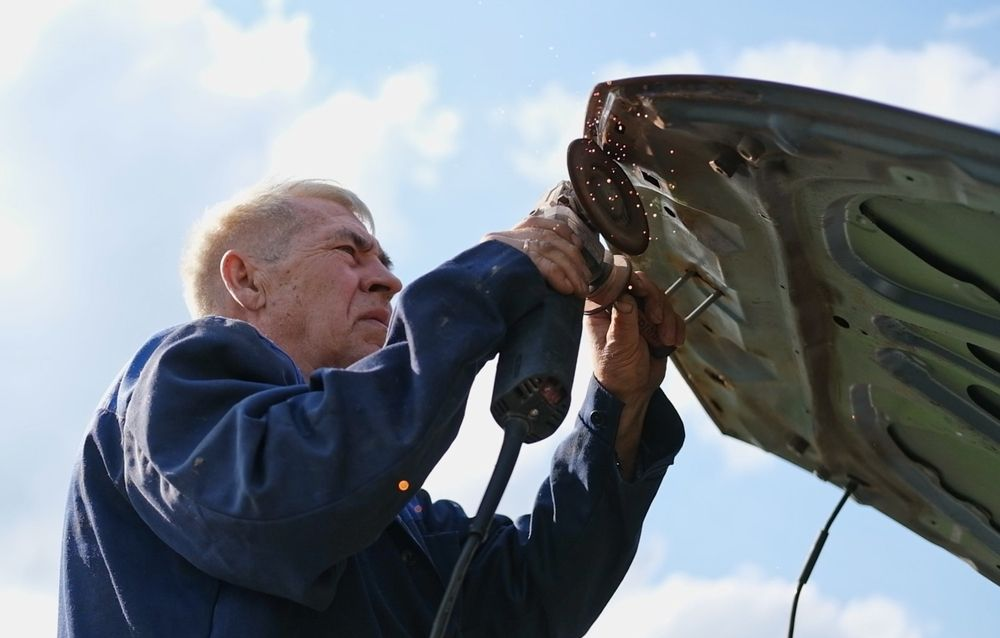
At some point, many restoration projects reach a dead end in the parts search. Manufacturers stop producing components, aftermarket options disappear, and salvage yard inventories become increasingly limited. This is especially common with older trucks, muscle cars, and vehicles that spent decades on Wisconsin roads. When a damaged panel, bracket, support, or structural piece cannot be replaced, fabrication becomes the next practical step. Skilled metalworking allows those missing or deteriorated components to be recreated, helping an
auto restoration project continue even when parts catalogs no longer have answers.
The Parts We See Most Often on the Bench
When replacement components disappear from the market, certain parts show up repeatedly in fabrication work. Years of corrosion, road debris, and previous repairs often leave these pieces beyond repair or impossible to source.
- Floor pans and trunk floors
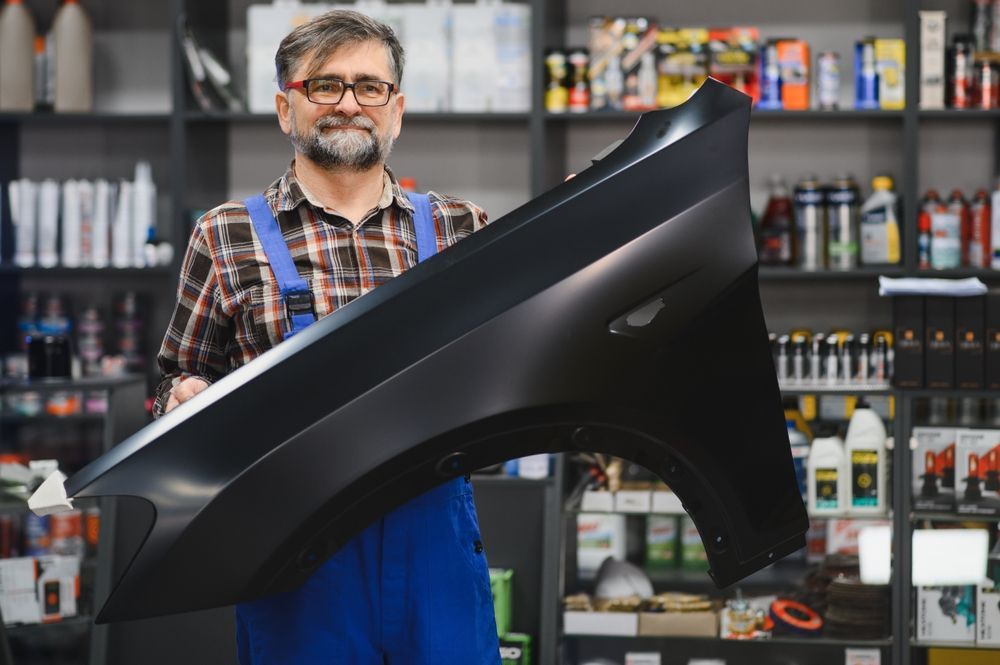
- Cab corners, rocker panels, and lower body sections
- Radiator supports and inner fender structures
- Engine, body, and accessory mounting brackets
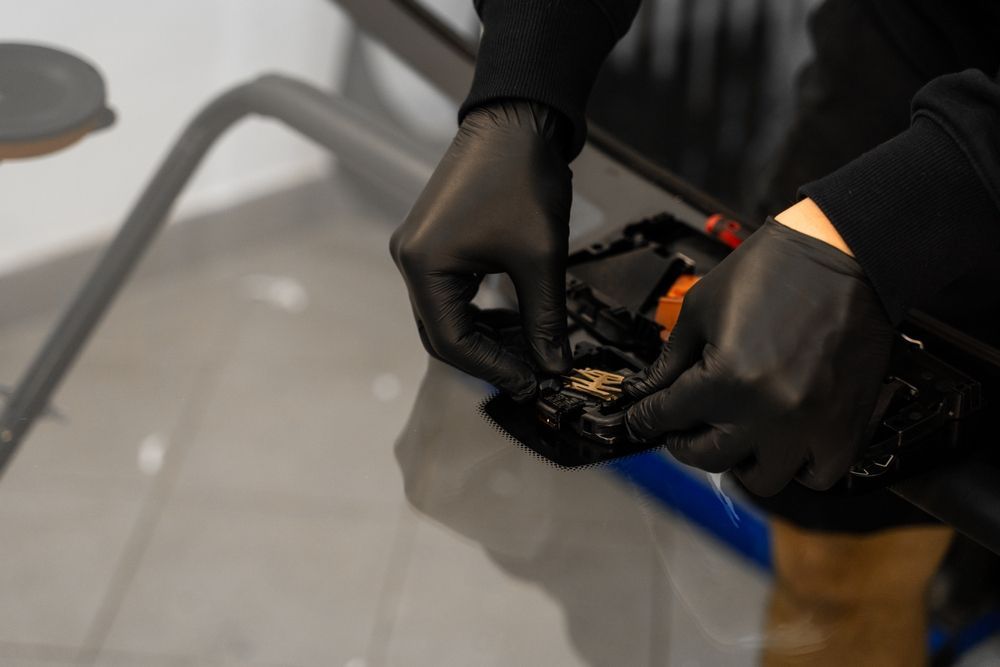
- Battery trays and structural supports
- Custom patch panels for rust-damaged areas
Many of these components affect a vehicle's strength, fit, and longevity, making precise fabrication an important part of the restoration process.
How a One-Off Part Gets Built
Every fabrication project follows a process, even when the original part is no longer available.
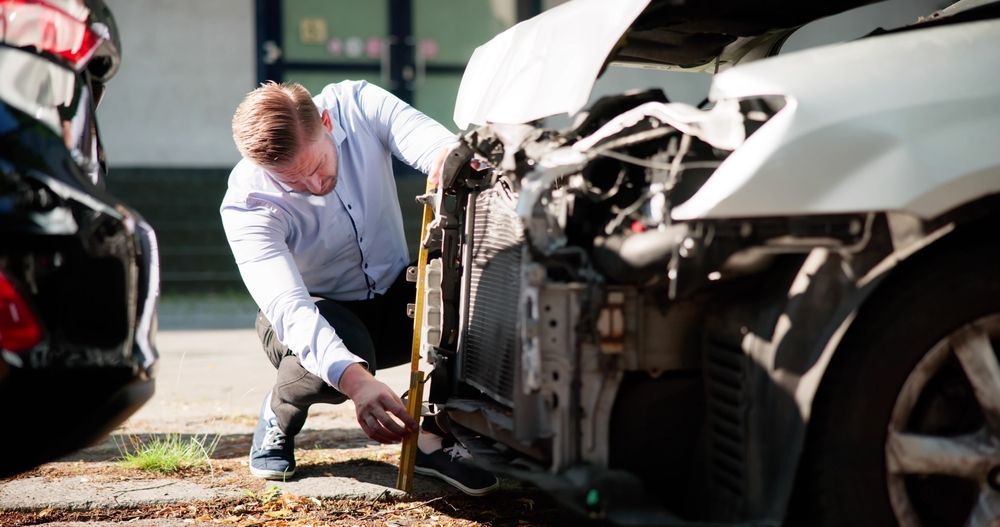
1. The damaged component is inspected and measured.
2. Patterns or templates are created from the remaining material.
3. New metal is cut to the required dimensions.
4. The piece is shaped and test-fitted to the vehicle.
5. Adjustments are made until proper fitment is achieved.
6. The finished part is welded and prepared for installation.
The same approach is often used during
auto frame repair and
custom chassis repair, where accuracy affects fit, strength, and long-term performance.
Material Choices That Decide the Outcome
The metal selected for a fabricated part has a direct impact on its performance and longevity. Mild steel is commonly used because it closely matches many original factory components and is relatively easy to shape and weld. Stainless steel is often chosen for areas prone to moisture exposure, while aluminum may be used when weight is a concern. For structural components, thicker steel can add strength where it is needed most. Matching the material to the part's purpose helps create a finished product that functions as intended and fits properly.
Welding Processes and When Each One Wins
Different fabrication jobs call for different welding methods. MIG welding is commonly used for many restoration and repair projects because it works well on a wide range of steel components and allows for efficient production. TIG welding is often selected when appearance and precision matter, particularly on visible or specialty parts. Stick welding can be useful for heavier structural repairs where material thickness is a factor. Choosing the right process depends on the metal being used, the location of the repair, and the strength needed from the finished component.
Where Hand Fab Beats CNC and 3D Scanning
Modern technology has expanded fabrication capabilities, but hand-built metalwork still has an important place in restoration. Many older vehicles arrive with rust damage, previous repairs, or missing sections that leave no accurate reference for scanning or automated production. In those situations, experienced fabricators rely on measurements, templates, and test-fitting to recreate the part. Hand fabrication is also useful when only a single component is needed, allowing adjustments throughout the process to achieve proper fitment on vehicles that have changed over decades of use.
Wisconsin Rust and the Fabrication Pipeline
Wisconsin winters create unique challenges for vehicle restoration. Years of road salt can eat through floor pans, rocker panels, supports, and other structural components long before the rest of the vehicle reaches the end of its life. As rust spreads, finding replacement parts becomes increasingly difficult, especially for older models. Fabrication often begins after damaged metal is removed and the full extent of corrosion is uncovered. Many of the projects featured in our
restoration gallery started with rust-related repairs that required custom-built components before body and paint work could move forward.
Cost and Timeline Realities of a Fabricated Part
No two fabrication projects are exactly alike, which means costs and timelines can vary significantly. A simple bracket or patch panel may take only a few hours to complete, while a structural component with extensive rust damage can involve measuring, shaping, test-fitting, and multiple revisions. Material selection, part complexity, and vehicle condition all influence the scope of work. In many cases, fabrication is still the most practical path when replacement parts cannot be found, allowing a restoration project to continue rather than stall indefinitely.
What to Bring When Sourcing Obsolete Car Parts
The more information available at the start of a project, the easier it is to evaluate fabrication options and develop an accurate repair plan.
- Photos of the damaged or missing component
- Vehicle year, make, and model information
- Existing part numbers, if available
- Reference measurements or templates
- Documentation from previous restoration work
- Photos of similar vehicles or original factory configurations
Even if the original part is severely damaged, it can still serve as a useful reference. If a project involves hard-to-find obsolete car parts,
contact us to discuss fabrication and restoration options.
Get a Custom Car Part Fabrication Quote Today
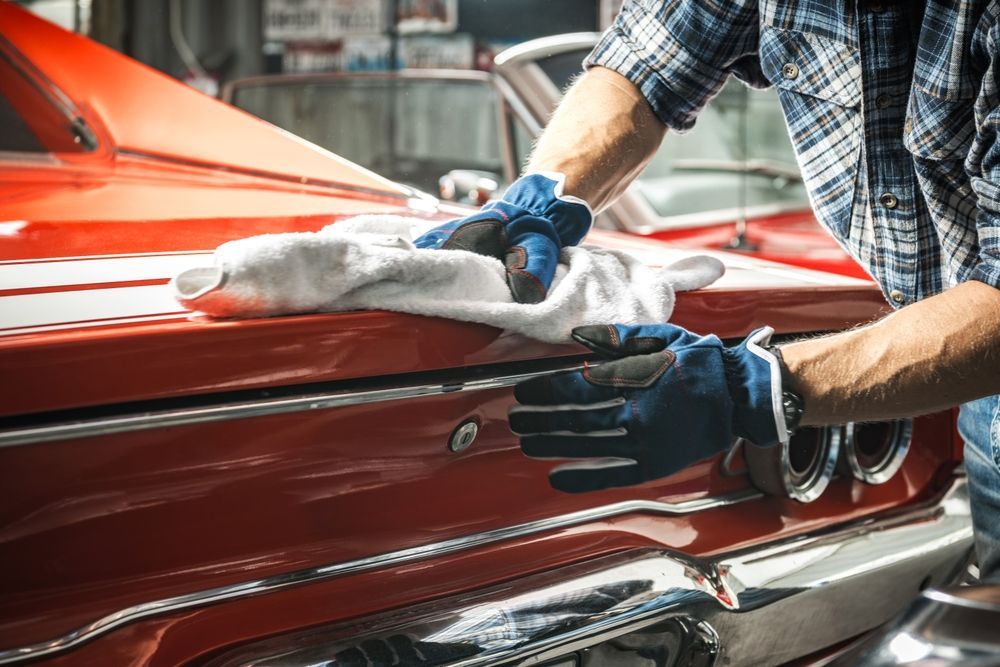
When replacement components are no longer available, fabrication can keep a restoration project moving in the right direction. From rust-damaged structural pieces to hard-to-find obsolete car parts, custom metalwork creates solutions that cannot be pulled from a catalog. Wrecktify Collision works with classic cars, vintage trucks, hot rods, and other restoration projects throughout southern Wisconsin and northern Illinois.
If a vehicle is missing a component or has a part beyond repair,
reach out to discuss the project and request a fabrication estimate.
Connect with us: