Wisconsin Total Loss Threshold Explained
Share this article:
In Wisconsin, a vehicle is generally considered a total loss when repair costs reach about 70% of its actual cash value, though a separate 30% damage threshold can also affect how the title is branded after repairs. The Wisconsin total loss threshold catches many drivers off guard after an accident, especially when insurance estimates seem lower than expected or settlement numbers fail to reflect the vehicle’s condition before the crash. The process involves more than a single percentage, and understanding how those calculations work can shape the decisions that follow.
How Wisconsin Defines a Total Loss
In Wisconsin, an insurance company may declare a vehicle a total loss when repair costs approach or exceed roughly 70% of the vehicle’s actual cash value. That calculation compares repair expenses against what the vehicle was worth before the accident. Once the numbers reach that point, insurers often decide settlement is financially preferable to repairs.
Drivers researching
how to know if their car is totaled are often surprised that the decision involves more than visible damage. Insurers commonly review:
- Structural or frame damage
- Airbag deployment
- Vehicle age and mileage
- Salvage value after the accident
- Current market value in Wisconsin
- Replacement part costs
The 70% Rule vs. The 30% Title-Branding Rule
Many Wisconsin drivers assume every total loss follows the same rule, but the state uses separate thresholds for insurance decisions and title branding. One affects how insurers handle a claim, while the other affects the vehicle’s title history after repairs are completed.
| Rule | What It Means |
|---|---|
| 70% Rule | Insurers may declare a vehicle a total loss when repair costs reach about 70% of the vehicle’s actual cash value. |
| 30% Title-Branding Rule | If damage exceeds 30% of the vehicle’s value and the vehicle is rebuilt, Wisconsin may brand the title to reflect prior damage history. |
That distinction matters because a vehicle can sometimes be repaired and returned to the road while still carrying a branded title afterward.
How Insurers Calculate Repairs, ACV, and Salvage
After an accident, insurers compare estimated repair costs against the vehicle’s actual cash value, often called ACV. That figure reflects what the vehicle was worth immediately before the collision based on age, mileage, condition, and local market data. Insurers also factor in salvage value, which is the amount a damaged vehicle could still bring through resale or auction.
The calculation process usually includes:
- Reviewing visible damage and initial repair estimates
- Comparing repair totals against the vehicle’s ACV
- Estimating salvage value after the accident
- Determining if repairs remain financially reasonable
Because hidden damage is not always visible during an initial inspection, the first estimate does not always reflect the final repair cost.
Where Insurance Estimates Miss Real Repair Costs
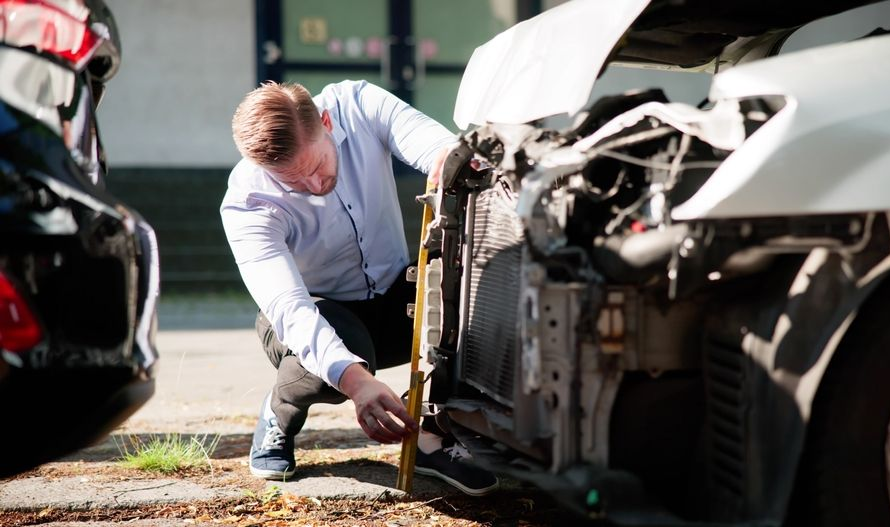
Initial insurance estimates are often written before a vehicle is fully disassembled, which means some repair costs may not appear during the first inspection. Damage hidden behind body panels, suspension systems, or safety components can change the scope of repairs once technicians begin working on the vehicle.
One common issue involves
frame damage after a collision, where structural problems are not always visible from the exterior. Modern vehicles may also need sensor recalibration, alignment corrections, or internal mechanical repairs that were not included in the original estimate. In some cases, those added repairs can significantly affect the total loss calculation.
Protect Your Rights After a Total Loss
A total loss decision does not always mean the first settlement offer is final. Wisconsin drivers still have the right to review estimates, question vehicle valuations, and request additional documentation before agreeing to a payout. Taking a closer look at the numbers can sometimes reveal missing repairs or inaccurate market comparisons.
After a vehicle is declared a total loss, important steps include:
1. Reviewing the insurer’s valuation report carefully
2. Comparing the listed vehicle condition and mileage for accuracy
3. Requesting clarification on missing repairs or deductions
4. Obtaining a second repair estimate from a trusted body shop
5. Asking questions before signing the title or settlement paperwork
6. Keeping records of all repair and insurance communications
A clearer understanding of the process often leads to more informed decisions after an accident.
Repair, Buyback, or Settle: How to Decide
A total loss settlement does not always close the door on repairs. Some vehicle owners choose to accept the payout and replace the vehicle, while others consider buying it back and handling repairs independently. The decision often comes down to the extent of the damage, the vehicle’s condition before the accident, and the long-term effect of a branded title.
In some situations, repairs still make financial sense despite the insurer’s determination, particularly with cosmetic claims like
repairing hail damage on a car. Other vehicles may have structural or mechanical damage that changes long-term reliability or resale value. A detailed body shop estimate can help clarify which option makes the most sense before paperwork is finalized.
How a Body Shop Estimate Can Change the Outcome
Insurance estimates are often built around visible damage and standardized calculations, but a detailed body shop inspection can reveal a very different repair picture. Once technicians disassemble damaged areas, additional structural, mechanical, or safety-related repairs may come into view. Those findings can affect both the repair total and the overall value discussion tied to the claim.
A second estimate may also identify repair procedures that were missing from the original assessment, including calibration work for sensors and driver-assistance systems. In some cases, updated repair documentation changes how an insurer evaluates the claim altogether. Having a trusted collision shop review the vehicle can bring more transparency to a process that often feels rushed after an accident.
Call Wrecktify Before You Accept a Settlement
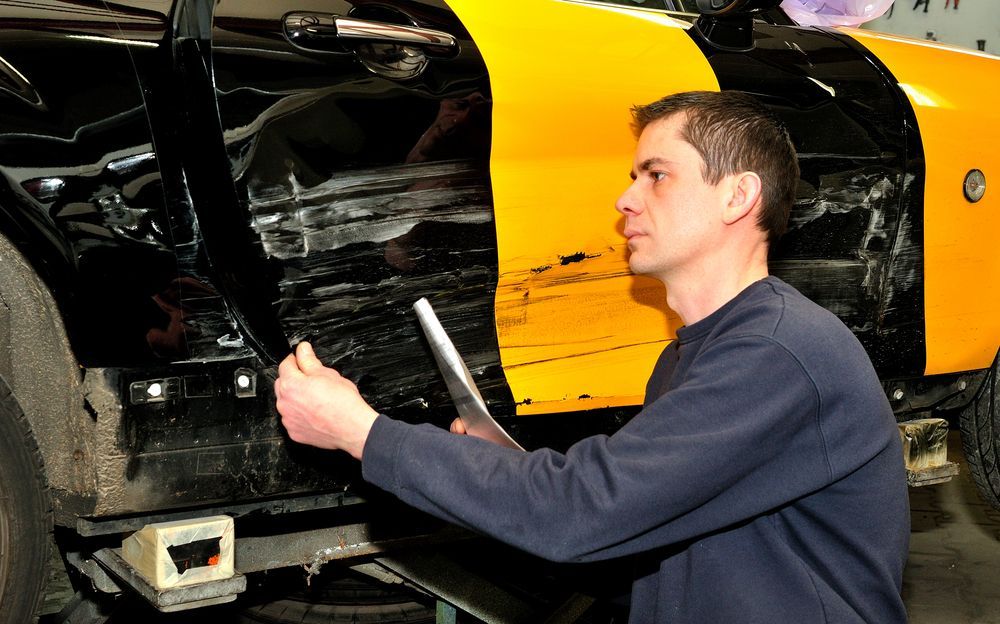
A total loss decision can move quickly, especially when insurance timelines, repair estimates, and settlement paperwork all arrive at once. Taking time to review the numbers with an experienced collision shop can bring added clarity before a final agreement is signed. In some cases, a more detailed inspection may uncover repairs or valuation factors that were not included in the original assessment.
Wrecktify Collision works with Wisconsin drivers dealing with collision damage, insurance questions, and repair decisions after an accident. From structural inspections to detailed repair estimates, the goal is to help vehicle owners better understand their options before moving forward.
Contact Wrecktify Collision to schedule an inspection or discuss the next steps for a damaged vehicle.
Connect with us: